14.07.2026
Ulrike Guba used Erasmus+ Staff Mobility for job shadowing at Leiden University.
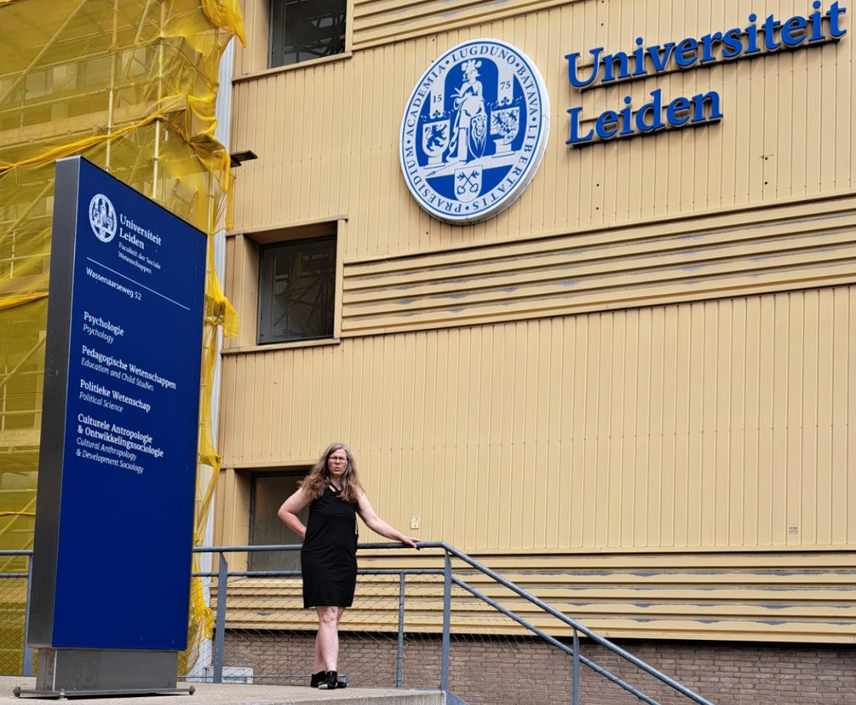 Photo: Ulrike Guba
The point for proximity to the North Sea clearly goes to Leiden University. The Ruhr region can, of course, proudly point to its own lakes and rivers – but during Ulrike Guba’s Erasmus+ Staff Mobility stay in the Netherlands, the most interesting differences were not found at the coast. They were found in offices, lecture rooms, ceremonies, and everyday university routines.
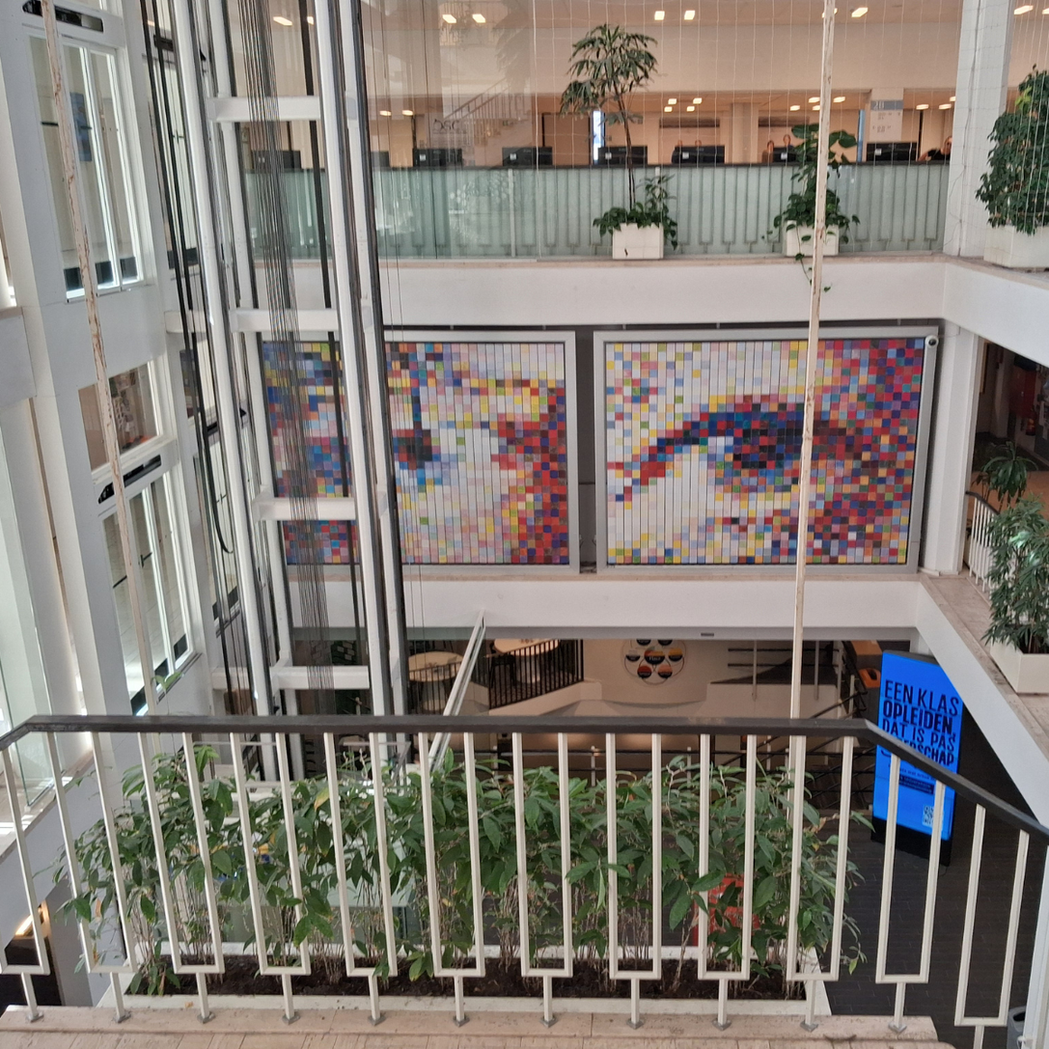
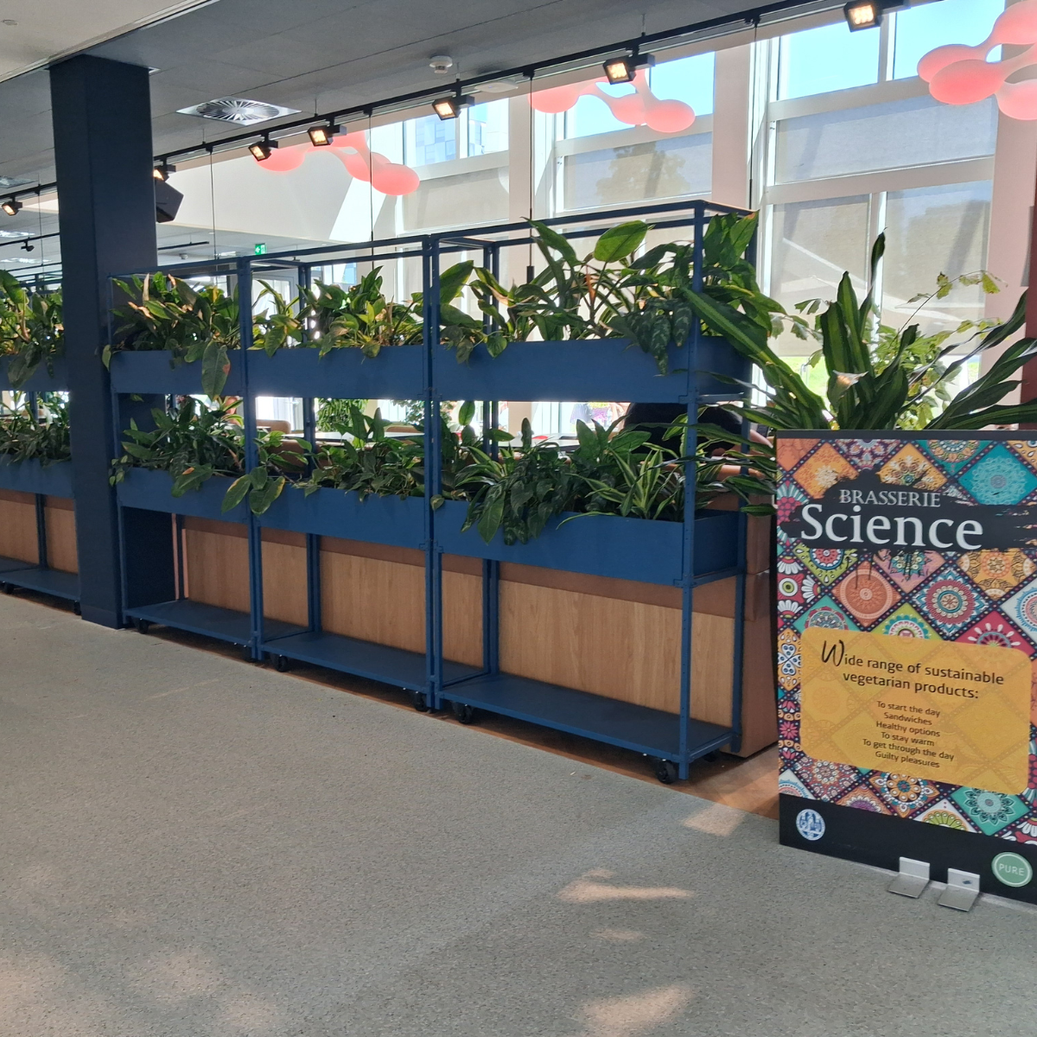
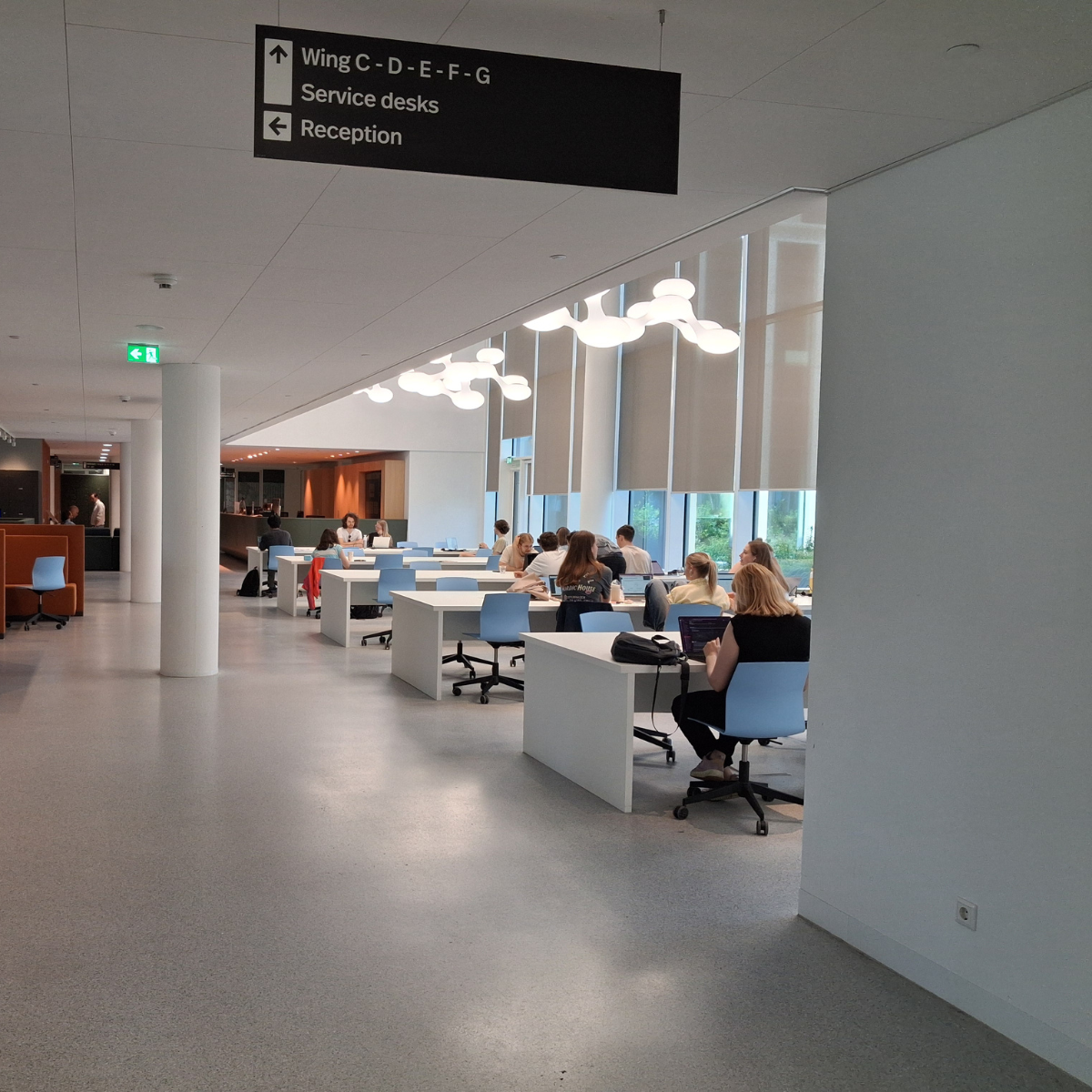
Ulrike Guba, secretary at the Chair of Mathematical Statistics and Applications in Industry led by Prof. Markus Pauly at TU Dortmund University’s Department of Statistics, spent several days at Leiden University’s Institute of Psychology. The institute is part of the Faculty of Social and Behavioural Sciences and includes several research and teaching units as well as administrative structures supporting academic work. Her visit took place as part of Erasmus+ Staff Mobility and focused on job shadowing: observing how colleagues work, which processes they use, and how administrative support is organized in another university system.
A look behind the scenes
International academic exchange is often associated with researchers, conferences, or publications. But universities also depend on the quieter infrastructure that makes research and teaching possible: coordination, administration, student support, digital systems, room for informal exchange, and people who know how to keep complex structures moving.
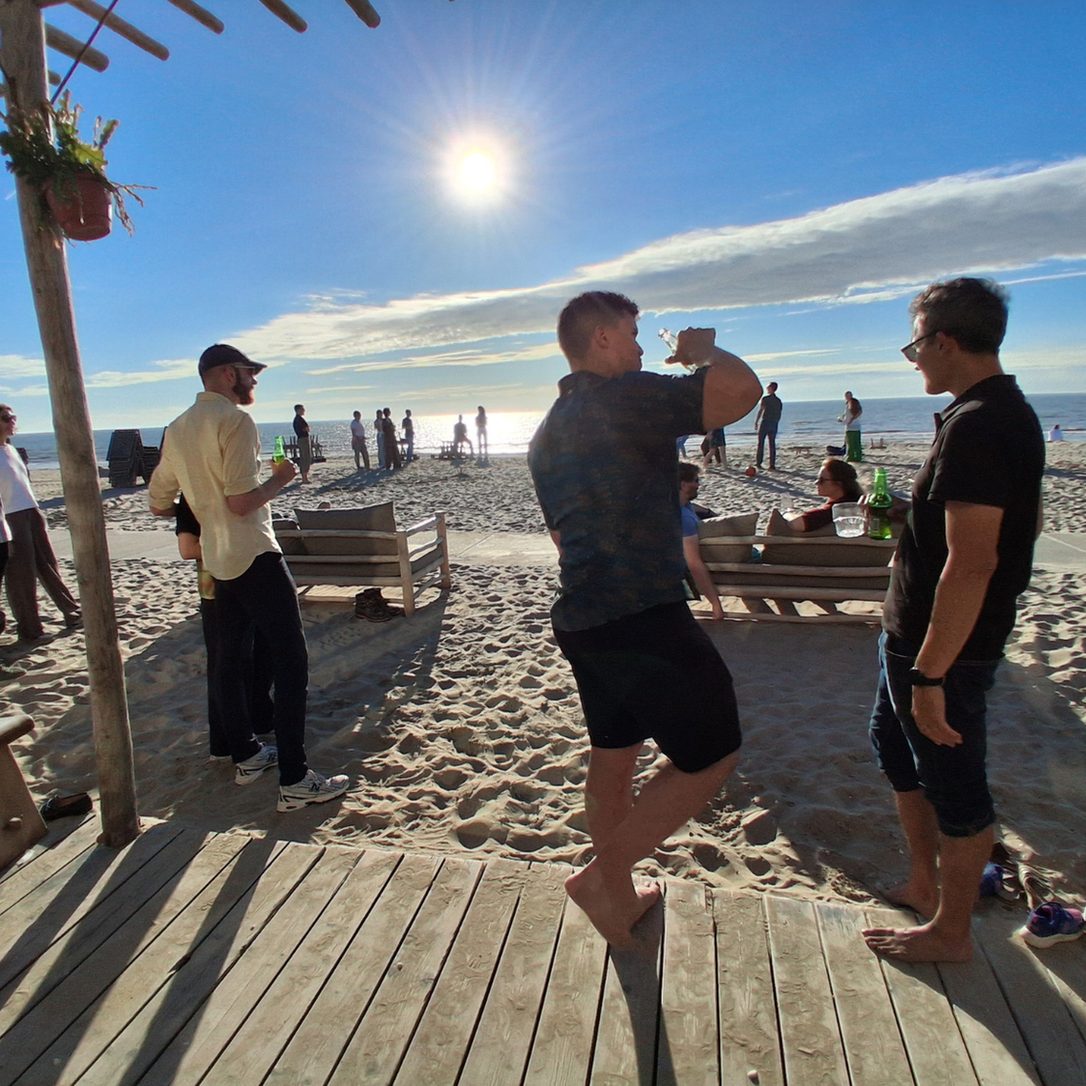
In Leiden, Ulrike Guba gained insights into different areas of university life. She spoke with an Erasmus coordinator, exchanged perspectives with colleagues and doctoral researchers, observed student group presentations, attended the ceremonial presentation of a Master’s certificate, and followed academic formats including a PhD defense. And to come back to the coast she attended a informal summer event at Noordwijk organized by a research consortium which bring together 9 Dutch universities.
Some observations were practical. Many administrative tasks are similar to those at TU Dortmund University, even when the tools carry different names. Leiden, for example, uses AFAS instead of SAP. Other impressions were more cultural: academic milestones such as degree ceremonies and defenses are framed with visible ceremony, formal procedures, and shared recognition.
Different systems, shared work
For Ulrike Guba, the stay showed that job shadowing is not only about copying another institution. It is about seeing one’s own work from a different angle. Where are processes similar? Where are they more digital? Which routines make everyday work easier? And how do different university cultures recognize the people and structures behind research?
These questions are highly relevant for research environments such as Markus Pauly’s group and the wider RC Trust context. International collaboration does not only begin when a paper is submitted or a project is funded. It also grows through administrative experience, reliable processes, flexible infrastructures, and professional networks across institutions.
A note on the programme
Erasmus+ Staff Mobility at TU Dortmund University supports international exchange for university staff, including job shadowing stays abroad. Within the University Alliance Ruhr environment, such programmes strengthen the international perspective of the people who support research, teaching, and academic cooperation every day.
Category
- Network
- Staff
Author
Patrick Wilking